


3D printing mold material processing
Release time:
2023-05-13
The inhomogeneity and defects of the 3D printed material due to the macrostructure are regarded as inherent defects of the selected additive manufacturing method, and are usually non-nominal features in the design build geometry. Such as surface texture (roughness and waviness) or residual powder (e. g., channels, holes, cavities, etc.). Especially the surface waviness and finish. More processing methods such as additive manufacturing AFS-D friction stir welding or AW-DED arc-fuse directed energy deposition 3D printing processes may therefore lead to more post-processing, such as CNC machining.
3DPrintMold material processing
3DPrint(3D Printing), also known as additive manufacturing(Additive Manufacturing, shortAM)It arose in the nineties of the last century. Different from the traditional "subtractive" processing method,3DPrinting is based on computer software, through the design, scanning and other ways to create a three-dimensional model, in a layer-by-layer overlay of discrete materials.(Powder, wire)A technique of forming.3DPrinting mostly uses spherical powder as a raw material, which is selectively melted by a concentrated heat source and solidified in subsequent cooling to form a print.
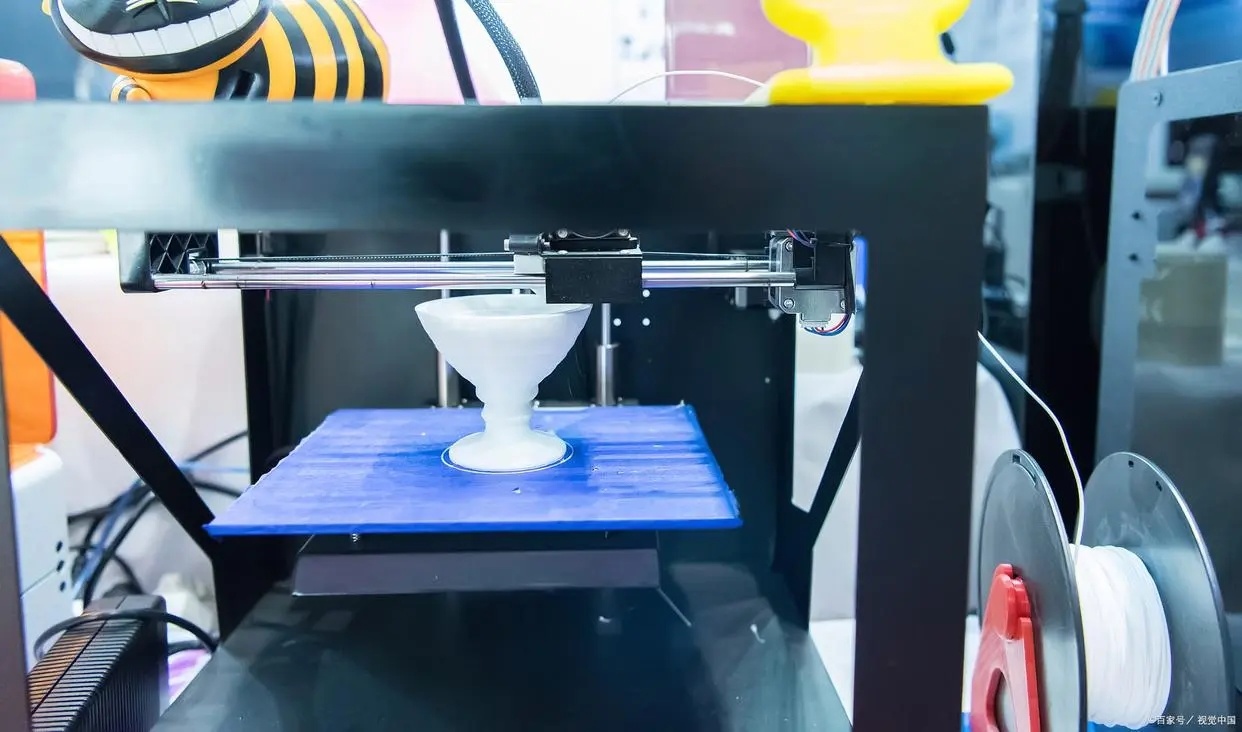
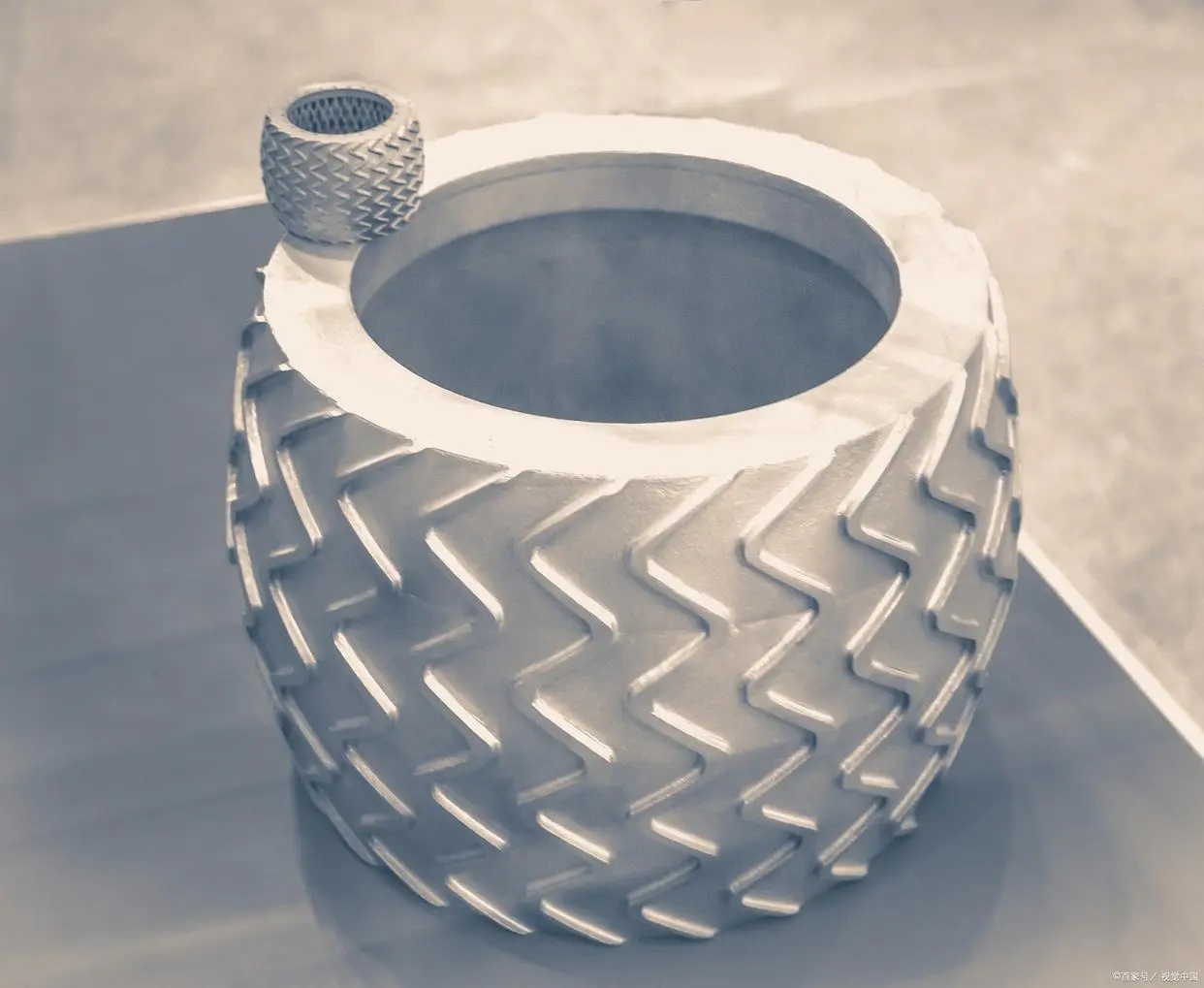
3DPrint3DPrint Products
in the current3D printing industry, metal 3D printing occupies a considerable proportion. For example, in the field of aerospace, metal 3D printing has entered the stage of mass production from manufacturing test samples. In the field of dentistry, 3D printing of metal crowns has also become a regular method for dental technicians. In the field of orthopedics, 3D printing of metal implants has begun to be applied on a large scale. Traditional processes are being replaced in fields such as molds and radiators..
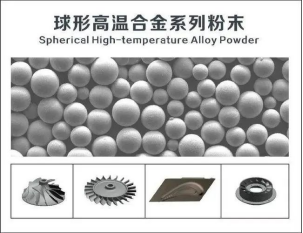
3D printingCommonly used inPowder metallurgy high-temperature alloy is a high-temperature alloy prepared by powder metallurgy method, compared with the traditional casting and forging high-temperature alloy, with uniform tissue, no macro-segregation, as well as high yield strength, good fatigue performance and other advantages, to overcome the regular process of segregation.(uneven), each particle of the pre-alloyed powder used is a "micro ingot", alloy segregation can only occur in the fine range of powder particles, can improve the overall performance of the alloy, and can reduce the amount of cutting, improve the utilization of the alloy.
But because of the 3D printing materialMacrostructural inhomogeneities and defects are considered to be inherent in the chosen additive manufacturing method, and are usually non-nominal features in the design build geometry. Such as surface texture (roughness and waviness) or residual powder (e. g., channels, pores, cavities, etc.)Thread processing, product accuracy, etc,In particular, the relationship between surface waviness andFinish.Therefore More processing methods such as additive manufacturing AFS-D friction stir welding or AW-DED arc-fuse directed energy deposition 3D printing processes may lead to more post-processing, such as CNC mechanical reprocessing.
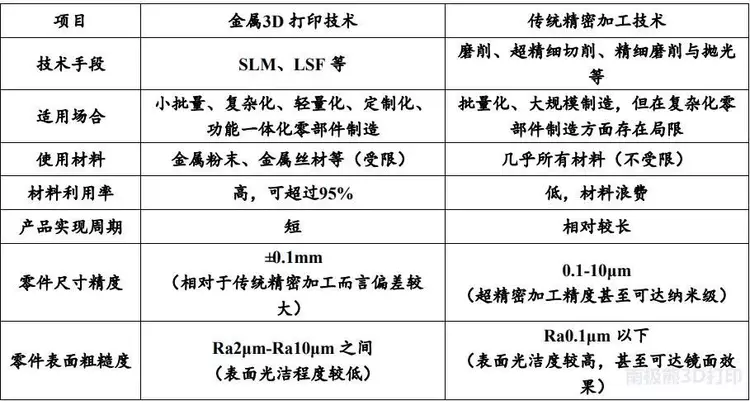
Metal3DPrint more traditional precision machining technology
3D printing process manufacturing considerations:
1. Tapping is recommended for threads, and direct printing is not recommended (including internal and external threads);
2, wall thickness, groove width, font size less than 0.5mm does not guarantee to print out;
3. The assembly parts need to be reminded to send the assembly drawing, which will be assembled before delivery. If not, they will not be responsible for assembly;
4. The clearance position of the product to be assembled shall be 0.15mm on one side;
5. If the local assembly requirements are high (such as bearing hole/diameter/plane assembly position), the machining allowance shall be set aside in advance, and then the machining allowance shall be matched through secondary finishing;
6. Some slender, thin-walled parts, shells and other structures will be deformed after high-temperature sintering of metal 3D printing. The advantage of metal 3D printing lies in complex structures, and the precision and surface effect are inferior to machining;
7, natural color surface pitting (Ra7 or so);
8, metal 3D printing material post-processing: the same as traditional materials can be subsequent secondary processing;
9, 50mm within the product printing tolerance of 0.1mm, larger product printing tolerance view paper for discussion;
10. For large products that need to be disassembled and printed, the disassembling position should be considered, the hole position should be avoided, the deformation amount and the alignment interface reserved for welding should be considered.
Division IPM series tapIn3D printing moldProcessing on materials for application:
Product Material:0.1C-12Cr-10Co-5Mo(maraging stainless steel); Material hardness:HRC42-46
| Tap |
Brand |
Arrow Stone |
|
| Product Model |
JSTREM12X1.5 |
||
| Product material |
HSS-E-PM |
||
| Product specifications |
M12X1.5-6HX |
||
| Number of tests |
2 |
||
| hilt |
Brand |
Vision |
|
| Name |
Floating tap handle |
||
| Processing parameters |
Line speed (vc) |
4 |
m/min |
| Speed(n) |
110 |
min-1 |
|
| Depth |
20 |
mm |
|
| Coolant |
external cold |
Emulsion |
|
|
|
|
||
| Test Results |
ProcessingThread roughness becomes worse after 250 parts |
||
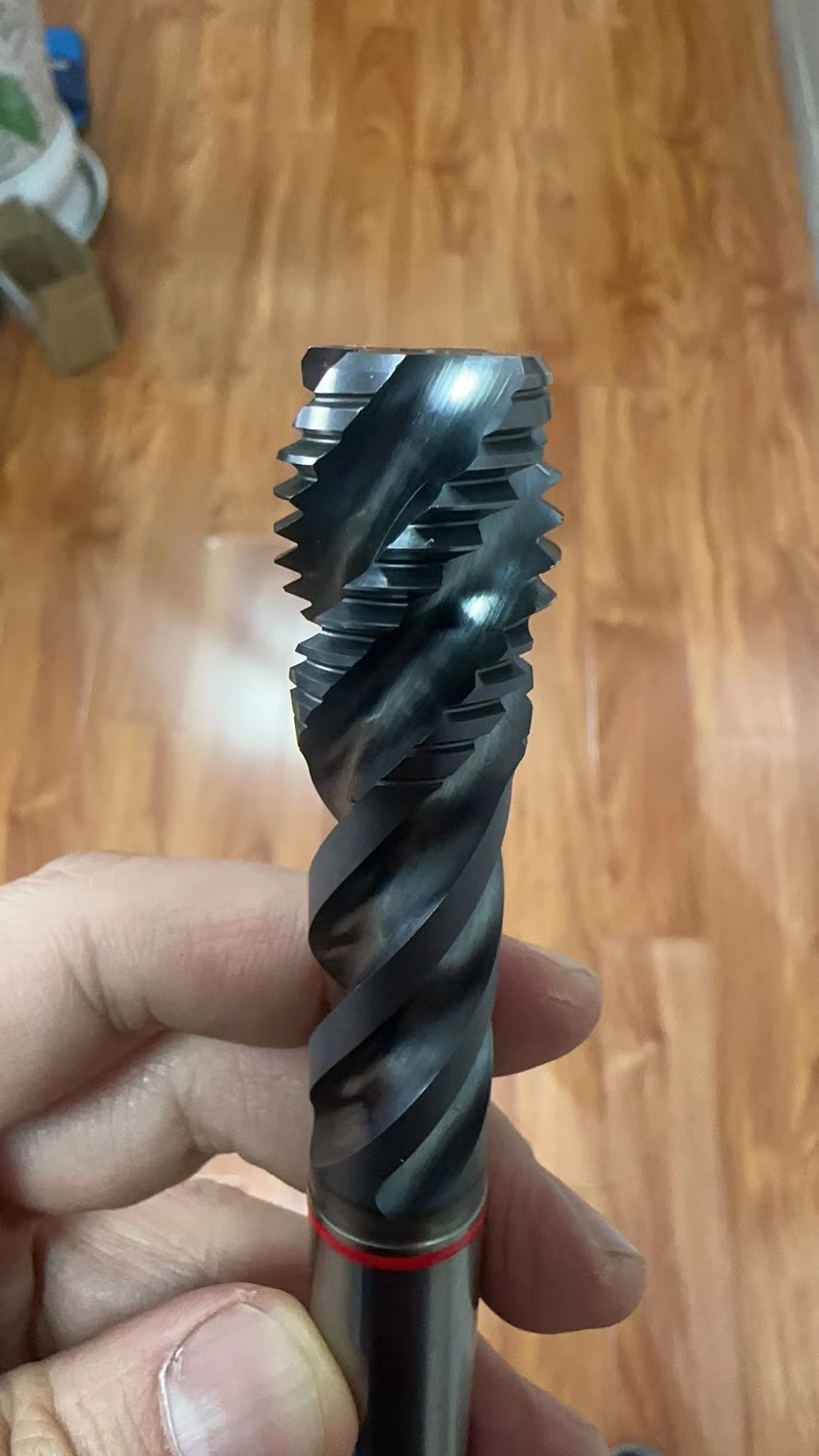
Arrow StonePMThe tap adopts high-quality powder metal material and special thread structure, so that the product has high resistance to chipping cutting, reliable thread finish and high performance.XThe coating has high heat resistance and wear resistance to make the tool life longer!
Related News
New Da'an

Follow us
Nanjing Arrow-Stone Industry Co. ,Ltd
Telephone: 86 025 84958290
Address: No. 105, Building 8, District 8, Lingxin Market, Jiangning District, Nanjing